
Strengthening Governance and Improving Care Through Learned Outcomes
- Gary Holland
- Oct 27, 2025
- 4 min read
In today's healthcare world, particularly in UK nursing homes, learned outcomes carry significant weight. These outcomes highlight the standard of care provided and are fundamental for continuous improvement in clinical governance. This article will explore the importance of learned outcomes, how to achieve them, the crucial roles of staff and communication, and why sharing these outcomes is vital for enhancing the care experience for residents.
Understanding Learned Outcomes
Learned outcomes involve the knowledge and skills gained through practical experiences and education. In nursing homes, these outcomes are essential for ensuring residents receive exceptional care. They cover areas such as clinical skills, patient safety, and emotional support, all central to fostering the well-being of residents.
To identify and implement learned outcomes, nursing homes must begin with a thorough assessment of current practices and results. This means gathering data on resident care, evaluating staff performance, and measuring overall satisfaction. For instance, a study by the Care Quality Commission (CQC) revealed that homes that regularly assess their performance see a 20% increase in resident satisfaction over two years. Analyzing this data helps nursing homes pinpoint areas that need improvement and develop focused strategies to enhance care.
The Process of Achieving Learned Outcomes
Achieving learned outcomes in nursing homes requires a clear, structured approach involving several key steps:
Assessment and Evaluation: The first step involves assessing the current state of care. This includes reviewing clinical practices, collecting resident feedback, and ensuring compliance with CQC standards. For example, homes that conducted comprehensive assessments found a 30% increase in areas compliant with CQC regulations.
Setting Clear Objectives: After assessment, nursing homes should set clear, measurable goals based on identified improvement areas. These objectives should align with the organization’s overall aims and focus entirely on enhancing resident care.
Training and Development: Ongoing staff training is crucial for achieving learned outcomes. Nursing homes should invest in continuous professional development, including workshops and seminars. A survey found that homes with regular training sessions reported a 40% reduction in staff turnover, leading to more stable and experienced care teams.
Implementation of Best Practices: Following training, it's essential to put best practices into action. This may involve updating care protocols, introducing new technologies, or adopting innovative care approaches.
Monitoring and Feedback: Continuous monitoring of outcomes is vital for evaluating changes' effectiveness. Regular feedback from staff and residents provides insights into what's successful and what may still need adjustments.
Sharing Outcomes: Finally, sharing learned outcomes with all stakeholders fosters a culture of transparency and accountability. When stakeholders—staff, residents, and families—are informed of improvements, it builds trust and encourages collaboration to enhance care.
The Role of Staff and Communication
Staff are the backbone of achieving learned outcomes in nursing homes. Their engagement, motivation, and commitment to quality care significantly influence residents' experiences. Effective communication among staff is essential for fostering a collaborative environment.
Regular team meetings and open forums for discussion can facilitate communication. Encouraging staff to voice their experiences can lead to inventive solutions and improvements. For example, nursing homes that hold monthly discussion groups have seen a notable uptick in staff morale and engagement as reported in a recent feedback survey. Recognizing and rewarding staff contributions strengthens this culture of excellence, ensuring everyone works toward common goals.
The Importance of Sharing Learned Outcomes
Sharing learned outcomes is critical for driving improvement in nursing homes. Transparency creates an atmosphere of trust and accountability. When residents and families are informed about the measures in place to improve care, they are more likely to feel confident in the services provided.
Additionally, sharing outcomes fosters valuable partnerships with other healthcare organizations and community stakeholders. By collaborating and exchanging knowledge, nursing homes can benefit from shared successes and tackle common challenges. For instance, a network of local nursing homes sharing their learned outcomes has reported a 15% increase in overall quality of care.
Strengthening Clinical Governance
Integrating learned outcomes into clinical governance is key to ensuring high-quality care in nursing homes. Clinical governance involves systems and processes that ensure safe, effective, and patient-centered care. By prioritizing learned outcomes, nursing homes can enhance their clinical governance in several ways:
Enhancing Accountability: Establishing clear goals and consistently monitoring outcomes allows nursing homes to take responsibility for the care they deliver. This accountability nurtures a culture of continuous improvement.
Promoting Safety: Learned outcomes often bring attention to areas related to patient safety. Addressing these areas can reduce adverse events, enhancing residents' overall safety.
Improving Quality of Care: Evaluating learned outcomes helps nursing homes identify trends in care delivery. This information can inform evidence-based practices to elevate the quality of care.
Engaging Residents and Families: Involving residents and families in discussions about learned outcomes can lead to more personalized care. When residents feel valued and heard, their overall satisfaction and well-being rise.
Facilitating Compliance: Regulatory bodies like the CQC prioritize the significance of learned outcomes in assessing care quality. Focusing on these outcomes helps nursing homes remain compliant with standards, reducing the risk of penalties.
A Path Forward in Care Quality
Embracing learned outcomes is essential for nursing homes in the UK looking to improve clinical governance and care quality. By following a structured approach—including assessment, training, implementation, and sharing outcomes—nursing homes foster an environment of continuous improvement.
The roles of staff and effective communication are crucial. By empowering staff to share insights and experiences, nursing homes can significantly enhance care quality for residents. Ultimately, the aim of sharing learned outcomes extends beyond compliance. It builds trust, accountability, and collaboration throughout the healthcare community.
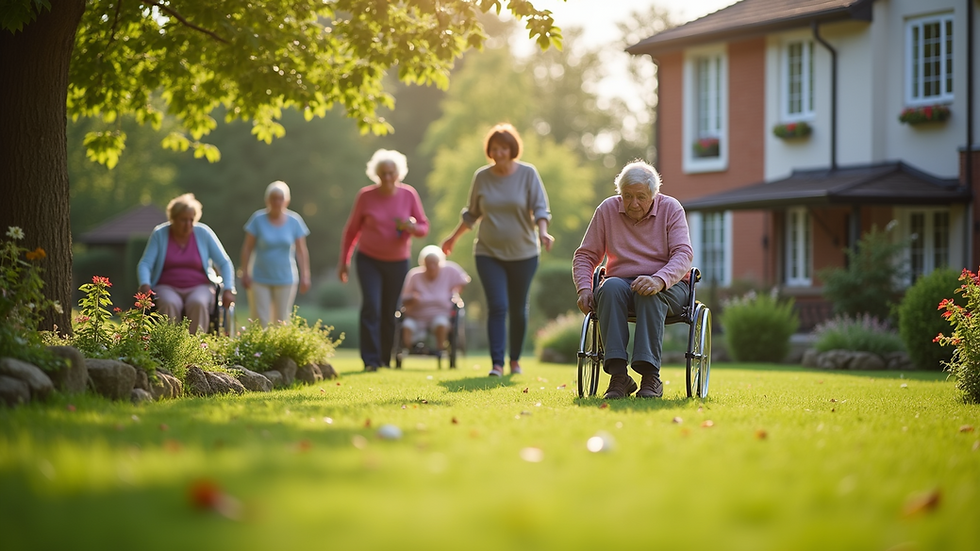
As nursing homes adapt to the challenges of care delivery, focusing on learned outcomes will be vital for achieving excellence in resident care. By prioritizing these outcomes, nursing homes can meet regulatory expectations while creating nurturing environments that enhance residents' quality of life.


Comments